
In California, a Propane Master Tank Serving Two Park Homes Is a Regulated Gas System
Does your park master tank count as a gas utility?
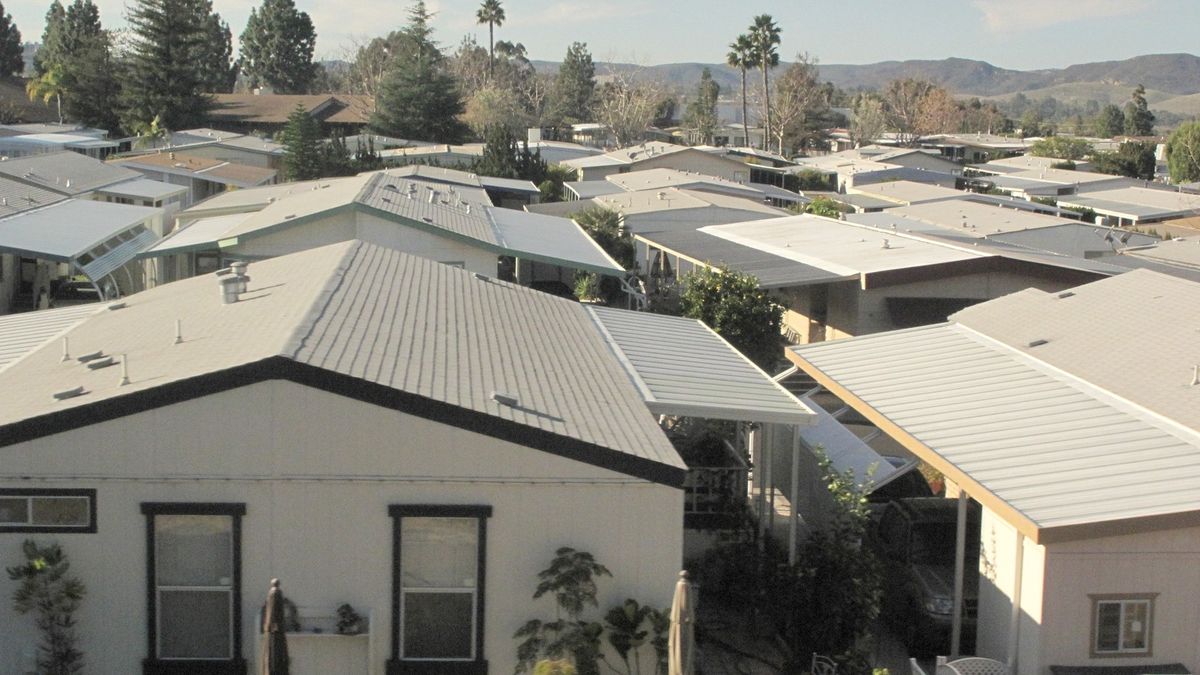
Count the customers on each park master tank; in California, two is the line.
The Situation
A propane dealer who pipes gas from one master tank to two customers in a California mobile home park is not just serving a commercial account. Under state law, that system falls under the safety jurisdiction of the California Public Utilities Commission, whose Gas Safety and Reliability Branch (GSRB) inspects it and can fine its operator up to $1,000 per day and $200,000 per violation.
The rule is not new. The commission assumed jurisdiction over propane master tank systems in January 1995.
The Facts
The CPUC's mobile home park safety page spells out the reach. Assembly Bill 766 (Hauser) adopted Public Utilities Code Sections 4451 through 4465, giving the commission jurisdiction over propane master tank systems serving two or more customers inside a mobile home park.
GSRB currently inspects over 1,700 mobile home park operators and 600 propane operators on a minimum five-year, risk-based schedule. Inspections review operation and maintenance records, evaluate emergency procedures and check field conditions. The page also carries GSRB guidelines for the written plans these operators must keep.
The fine authority, the page notes, was delegated to GSRB for propane master tank operators, with fines not to exceed $1,000 per day and $200,000 per violation. GSRB weighs the gravity of the offense and the operator's compliance history.
The market behind these systems is large. The 2023 American Housing Survey counts 7.2 million occupied manufactured homes in the U.S., 5.4% of occupied housing, NAHB's Eye on Housing reports, and 53% of manufactured-home residents live in rural areas. For residents, a central tank means no truck at each home and a monthly statement instead, propane marketer Kauffman Gas notes.
Business Impact
For a dealer serving California parks, the count of customers on each master tank decides whether you are operating a regulated system with written plans and inspections. Cross the threshold and you need operation, maintenance and emergency plans in place before the inspector arrives. Other states set their own rules, which the CPUC page does not cover.
Key Data Points
- GSRB inspects 600 propane operators on a minimum five-year schedule.
- February 2026 guidelines cover operation, maintenance, emergency plans and operator qualification.
Key Takeaways
- The CPUC's propane master tank jurisdiction dates to January 1995.
- For systems outside a park, check the CPUC page's full jurisdiction criteria.
Action Steps
- 1.List every master tank you operate in a California mobile home park and how many customers each one serves.
- 2.For any tank serving two or more customers, pull the written operation, maintenance and emergency plans and check them against the GSRB guidelines on the CPUC's mobile home park page.
- 3.If you serve parks in other states, ask your state regulator or LP-gas board what threshold applies there.
- 4.Put the next likely GSRB inspection on your calendar and review records a month ahead.
Competitive Advantage
A dealer caught without required plans risks penalties.
How many homes are on your largest park master tank, and where are its written plans?
Get the next one in your inbox.
Free propane industry news, twice a week. 30,000+ operators already read it.
No spam, unsubscribe anytime. We'll email you a link to confirm — that's how we keep the list real. Cloudflare processes a short bot-check token on this form. See our privacy policy.
Published by PropaneInsider.com
AI-powered propane industry news for 30,000+ professionals
Propane Insider is published by the makers of Tank Spotter, Custom Fuel App, Blink Fuel, Marketing Department in a Box and Propane Safety Pro; some links go to advertisers.